
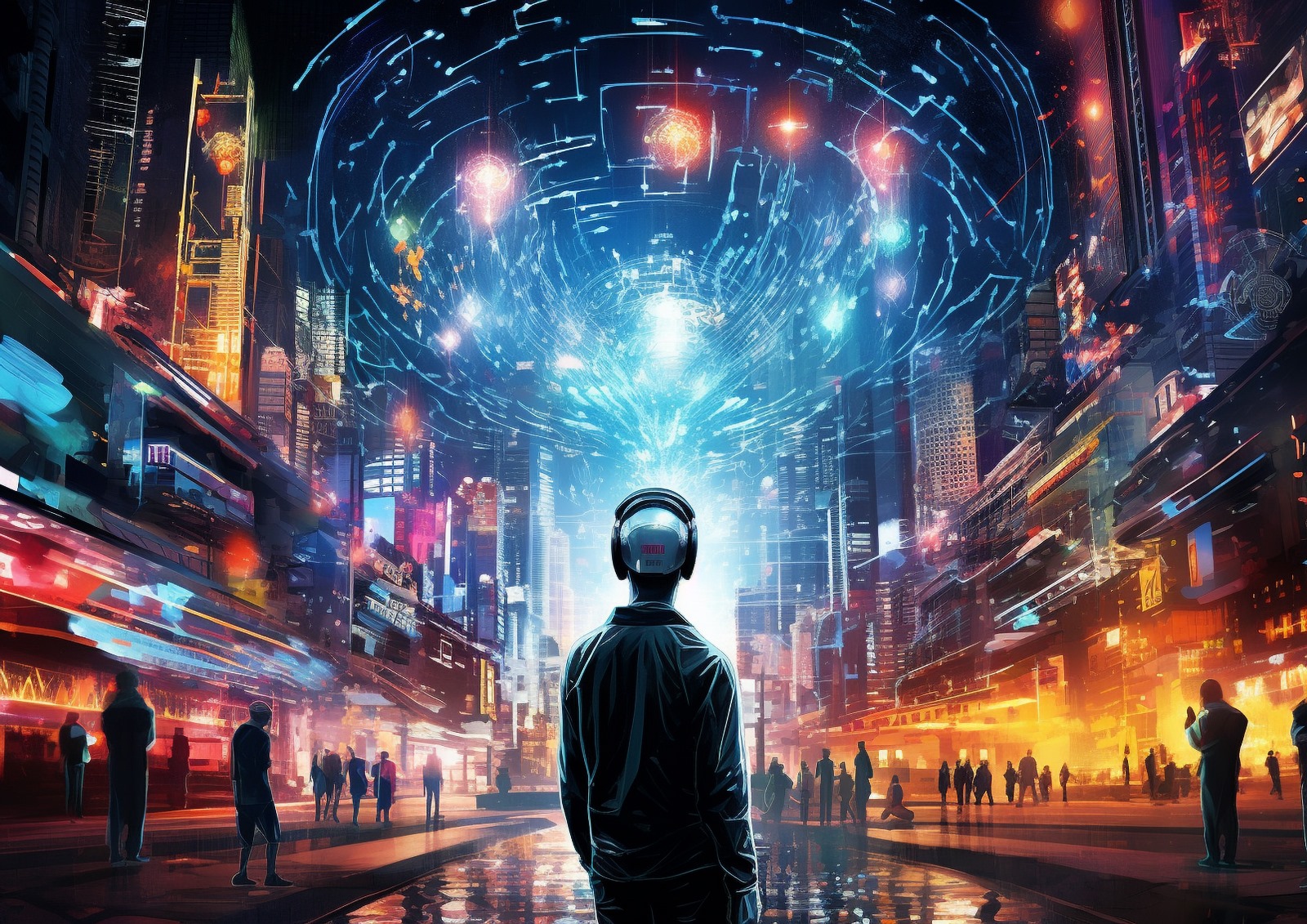
In the digital generation, in which technological leaps and cultural shifts appear at lightning pace, a silent crisis is emerging: the widening gap between generations. Too frequently, more youthful generations experience unheard, at the same time as older generations experience discarded. The ensuing disconnection is more than emotional—it threatens societal concord, democratic resilience, and sustainable progress.
But what if as opposed to viewing generational variations as a source of battle, we recognized them as a profound resource of intergenerational intelligence—a synergy of experiences, values, and visions that, whilst harmonized, can form aextra balanced and inclusive destiny?
This article explores the untapped ability of intergenerational intelligence (IQ²) and proposes an international framework for integrating it into schooling, governance, innovation, and civic existence.
The Myth of the Generational Divide
Popular narratives regularly paint generations in conflict: Baby Boomers vs. Gen Z, Millennials vs. Gen X. These binaries oversimplify facts. Every technology is shaped by its context, but all carry shared aspirations—for dignity, belonging, protection, and meaning.
What drives a department isn’t always age itself, but the loss of intentional talk and mutual recognition. Ageism—both in the direction of the young and the old—erodes empathy, perpetuates stereotypes, and diminishes collective trouble-fixing ability.
To overcome this, we ought to shift from generational labeling to generational listening.
Intergenerational Intelligence: A New Global Competency
Intergenerational Intelligence (IQ²) is the capability to:
Understand and admire specific generational views.
Recognize how ancient, cultural, and emotional contexts form values.
Build collaborative spaces that allow multiple generations to co-create answers.
See the destiny not as an opposition among a while, but as a shared challenge.
In an age of climate crisis, virtual transformation, and democratic uncertainty, this talent isn’t always non-compulsory—it’s miles important.
Rethinking Education: Learning Across Lifetimes
Most academic structures are linear: youth analyze, adults paint, elders retire. But what if we designed education as a circular environment, wherein every generation constantly teaches and learns from each other?
Imagine:
High school students studying ethics from elders at the same time as coaching virtual equipment in go back.
Universities providing lifelong fellowships where older adults a look at alongside adolescents.
Early adolescence centers that integrate storytelling periods with grandparents and elders.
Education will no longer be a staircase with a beginning and an end, but a spiral of shared knowledge.
Policy Innovation: Legislating with Generational Harmony in Mind
Laws often reply to immediate pressures without long-term foresight. Generational intelligence calls for multi-horizon governance—rules that serve current needs even as they honor the legacy of the past and shield the rights of future generations.
Examples encompass:
Futures Councils that encompass adolescents and elders advising countrywide parliaments.
Intergenerational Budgeting, assessing the long-term impact of fiscal decisions.
Constitutional clauses ensuring the pursuits of those not yet born.
Such processes root politics in intertemporal obligation—an effective antidote to quick-termism
Business and Innovation: Multigenerational Teams as a Competitive Advantage
Startups often idolize children. Traditional industries frequently defer to seniority. But the most resilient and creative groups apprehend the power of multigenerational collaboration.
Studies display various age groups:
Solve troubles greater creatively.
Respond better to numerous client bases.
Navigate crises with extra emotional intelligence.
Innovation doesn’t belong to one age—it belongs to bridges between ages. Intergenerational intelligence allows organizations to leverage legacy and novelty, instinct and facts, memory and imagination.
Media and Culture: Telling Stories That Heal, Not Divide
Media shapes how generations understand each other. When older adults are portrayed as out of touch, and teenagers as naïve or entitled, we embed disconnection into our cultural awareness.
We need:
Films and collections that display mutual mentorship among generations.
Journalism that highlights teenager-led innovation and elder awareness.
Public campaigns that promote intergenerational empathy and pleasure.
Culture should evolve from mocking age to honoring every level of lifestyles as precious, vibrant, and important.
Civic Spaces: Designing Cities That Connect, Not Segregate
Our cities frequently mirror generational segregation—youngsters’ zones, elder care homes, and adult-simplest workspaces. But imagine intergenerational urbanism:
Public plazas are designed for storytelling, games, and speaking among all ages.
Libraries as hubs in which students and retirees exchange tutoring and mentoring.
Urban gardens are co-controlled by means of teens and older residents.
The bodily layout of our world ought to mirror our social aspiration for harmony.
A Moral Imperative and a Diplomatic Opportunity
Globally, the median age is rising. By 2050, more than 2 billion humans might be over 60. At the same time, the most important children’s cohort in records is growing in the Global South.
This demographic anxiety isn’t always a problem—it’s an opportunity for aninternational intergenerational p.C..
Diplomatic initiatives could include:
International days dedicated to intergenerational cohesion.
UN declarations promoting intergenerational rights.
Cross-border mentorship programs pair retirees with younger social entrepreneurs.
By fostering intergenerational intelligence globally, we beef up peace, fairness, and empathy across borders.
Building the World We Will Inherit Together
To build a future that is sensible, fair, and enduring, we should tap into the whole spectrum of human experience—now not simply the power of teens or the information of age, but the energy of their integration.
Intergenerational intelligence isn’t only a cost—it’s a strategy for survival, for thriving, for unity.
Let us raise a generation now not handiest described by its age organization, but by its capacity to listen throughout decades, lead with humility, and construct throughout time.
Because the future doesn’t belong to at least one technology—it belongs to absolutely everyone, collectively.
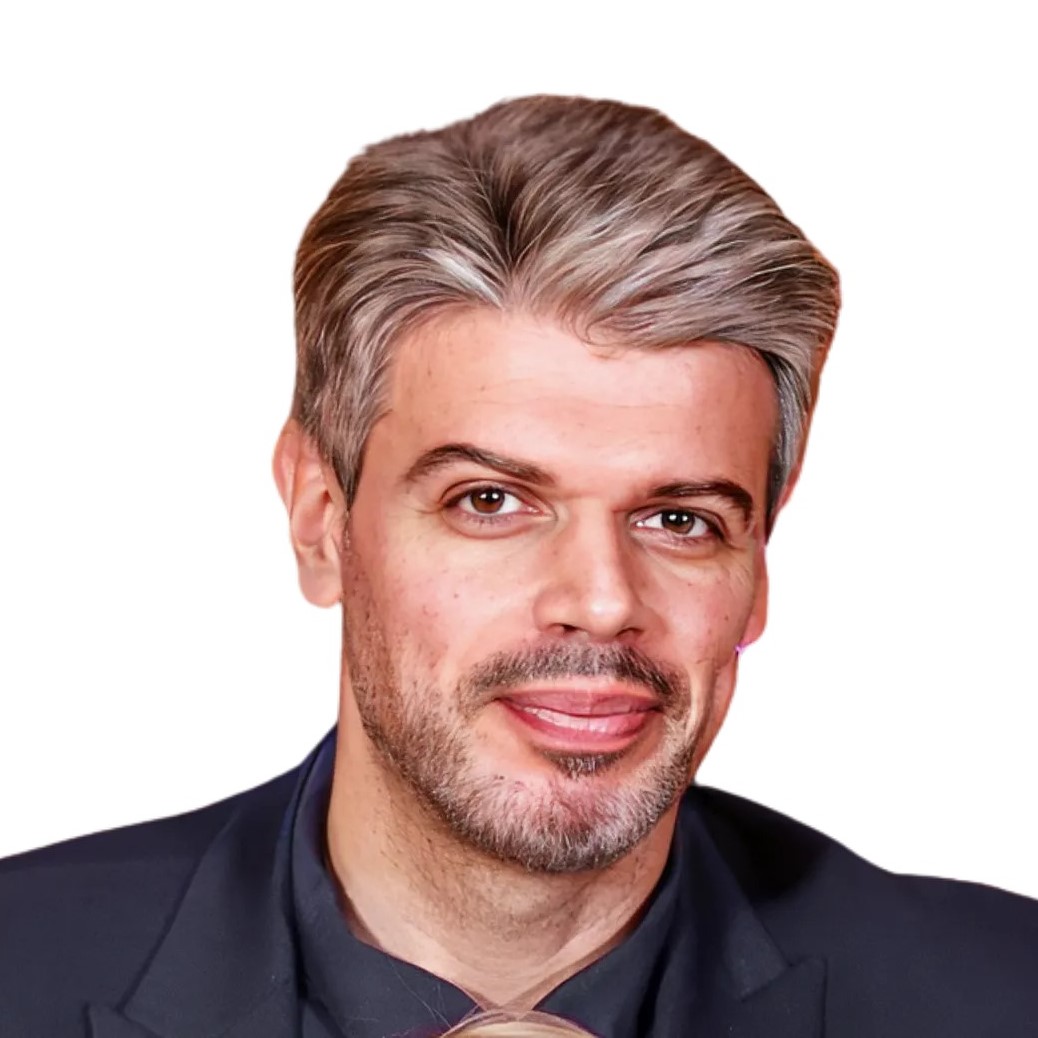
Julio Verissimo es un líder ejecutivo con más de 24 años de experiencia en crecimiento multisectorial, habiendo desarrollado y ejecutado proyectos en más de 47 países. Ha ocupado roles clave en los sectores de telecomunicaciones y banca, contribuyendo al desarrollo de sistemas regulatorios y soluciones tecnológicas. Además, ha participado en diversas cámaras de comercio y ha sido socio en fondos de inversión en sectores como criptomonedas, energía verde e infraestructura sostenible.
Es Presidente y CEO de Borderless Consulting, una firma global de consultoría privada especializada en operaciones transfronterizas. Destaca por su experiencia en desarrollo empresarial, planificación estratégica, operaciones y gestión financiera, con un enfoque en la generación de crecimiento y rentabilidad. Su capacidad para liderar equipos y establecer relaciones estratégicas ha sido clave en su éxito.