
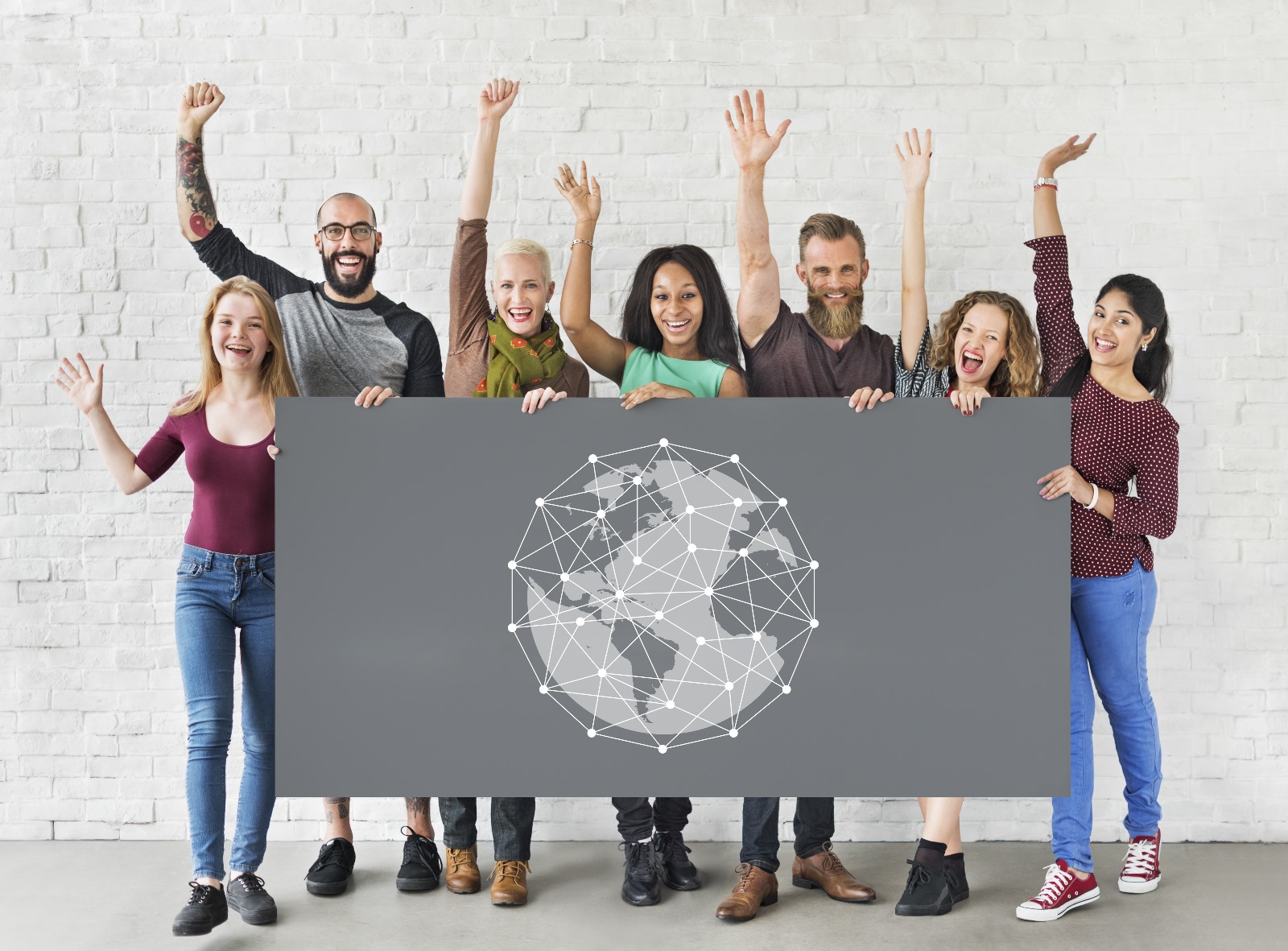
The Time for Collective Wisdom Is Now
In an era where societies face unparalleled demanding situations—technological disruption, geopolitical uncertainty, weather instability, and social fragmentation—the answer to many of our most urgent questions won’t lie in any single era, but inside the planned and united collaboration throughout all generations. While the arena races ahead with innovation led by using youth, and experience quietly resides inside older generations, too frequently these treasures function in silos. The true leap forward lies in forging intergenerational alliances—aninnovative approach that blends the confidence of youth with the wisdom of age.
This isn’t always simply a social ideal. It is a strategic vital. Empowering a bridge between generations approach, activating collective intelligence, strengthening democratic participation, and unlocking inclusive pathways to sustainable development. It is time to see age now not as a dividing line, but as an effective unifier.
Understanding the Intergenerational Divide
The modern-day world has, by chance, cultivated a cultural hole among generations. Youth are frequently portrayed as impulsive, impatient, and idealistic. Elders are classified as outdated, chance-averse, and prone toexchange. These stereotypes erode accept as true with, restrict cooperation, and decrease possibilities for shared prosperity.
Meanwhile, political discourse regularly pits generations against each other—whether or not it be over climate duty, financial prospects, or cultural values. This division isn’t just social—it’s far deeper institutional, with few systems that encourage based on past generations, speak, and collaboration.
But what if this divide becomes less inevitable? What if it can be intentionally transformed right into an area of mutual empowerment?
Generational Strengths: Distinct, Yet Complementary
Every technology carries specific capabilities shaped with the aid of its context, schooling, and challenges.
Younger generations bring creativity, technological fluency, and a hunger for justice. They are digital natives, disruptors, and dreamers of an extra equitable global.
Older generations deliver historic angle, emotional intelligence, and institutional memory. They are guardians of values, storytellers of resilience, and often the most dedicated to legacy.
Bringing these together creates synergy. When a Gen Z activist learns public coverage navigation from a retired diplomat, or when an elder farmer applies facts-driven irrigation shared via an intern, we do more than share data—we ignite transformation.
The Global Imperative for Intergenerational Inclusion
From international development to non-public sector innovation, intergenerational collaboration isn’t always simply useful—it’s essential.
In weather motion, elders from Indigenous groups maintain ecological knowledge handed down over centuries, whilst younger scientists bring present-day fashions to measure carbon seize.
In governance, younger leaders demand systemic reform, but need mentorship on consensus-building and diplomacy.
In the generation, senior engineers provide insights into long-term ethical implications, at the same time as younger designers accelerate new gear and systems.
Countries like Finland and Singapore are piloting intergenerational councils in city planning. Social businesses throughout Latin America are matching youngsters with elder artisans to co-create sustainable enterprise fashions. These examples show that coverage and practice can institutionalize information-sharing.
Education because the First Arena of Transformation
To prepare future generations for collaboration, we ought to start in the study room. Education structures should be reimagined to:
Include multigenerational mentorship as part of the curriculum.
Develop areas for oral history transmission, especially in marginalized communities.
Promote emotional literacy that permits students to apprehend and admire perspectives rooted in diverse life levels.
Imagine an international gaining knowledge of platform wherein teenage coders in Nairobi collaborate with retirees in Madrid to lay out inclusive tech solutions for getting older populations. The ripple results on empathy, innovation, and economic resilience might be titanic.
A Model for Institutions: Intergenerational Co-Leadership
Beyond classrooms, establishments should structurally embed age variety. From neighborhood governments to boardrooms, illustrations have to now not only reflect gender and ethnicity but also generational inclusion.
A forward-looking version consists of:
Intergenerational advisory forums for coverage development.
Dual-management systems where a young chief and an elder co-chair project.
Funding mechanisms that prioritize projects explicitly bridging age organizations.
By leveraging such systems, establishments can avoid generational bias in decision-making and make sure long-term effect that respects both innovation and legacy.
Intergenerational Collaboration and Peacebuilding
In post-battle zones and polarized societies, elders regularly keep the memory of past traumas and the wisdom of reconciliation, whilst youth convey the urgency to move ahead. Involving both generations in peacebuilding guarantees that justice isn’t just restorative but also futuristic.
In Colombia, as an instance, intergenerational reminiscence circles among former warring parties and children have promoted countrywide healing. In Rwanda, intergenerational storytelling tasks have come to be equipped to save you destiny of genocide by means of retaining the emotional fact of survivors and planting seeds of empathy.
This model of truth and innovation coexisting turns into a worldwide reference for battle transformation.
A New Diplomacy: Age-Inclusive Global Leadership
Multilateral boards ought to begin to mirror generational diversity. Imagine if the G20 or UN General Assembly blanketed delegations composed of younger and elder representatives from every state, not as tokens, but as equal voices.
This new international relations would cause:
Longer-term policy perspectives, balancing urgency with patience.
Greater social legitimacy, as residents see themselves represented throughout all ages.
Cross-sectoral solutions, born from a wider pool of lived experience.
Such leadership is not the most effective moral; it’s miles strategically advanced.
Building a Culture of Mutual Reverence
Ultimately, sustainable intergenerational collaboration depends on culture. We need to build societies where elders are not discarded and teenagers are not patronized. Where every lifestyle’s degree is valued no longer for what it has carried out or may do, but for what it is—an expression of human richness.
Media narratives must shift from ageism to admiration. Art should tell memories of generational solidarity. Language needs to evolve to reject infantilization or disdain.
When a way of life celebrates the fullness of age, it unlocks the potential of collaboration. It becomes a society of bridges, no longer walls.
The Shared Path Forward
The future no longer belongs to the young or the antique. It belongs to the ones willing to construct it together.
Intergenerational collaboration is not only a romantic concept. It is a strategic, essential, and beautiful route in the direction of inclusive, smart, and sustainable development. It dignifies the elderly, empowers the children, and transforms establishments into ecosystems of shared cause.
Let us reimagine leadership. Let us remodel structures. Let us invite the grandmother and the grandson, the pioneer and the protégé, the listener and the learner—into the identical room, the same table, and the equal dream.
Because whilst generations stroll forward, not one after the alternative,however side by means of aspect, the world turns into not simply extra human, but extra complete.
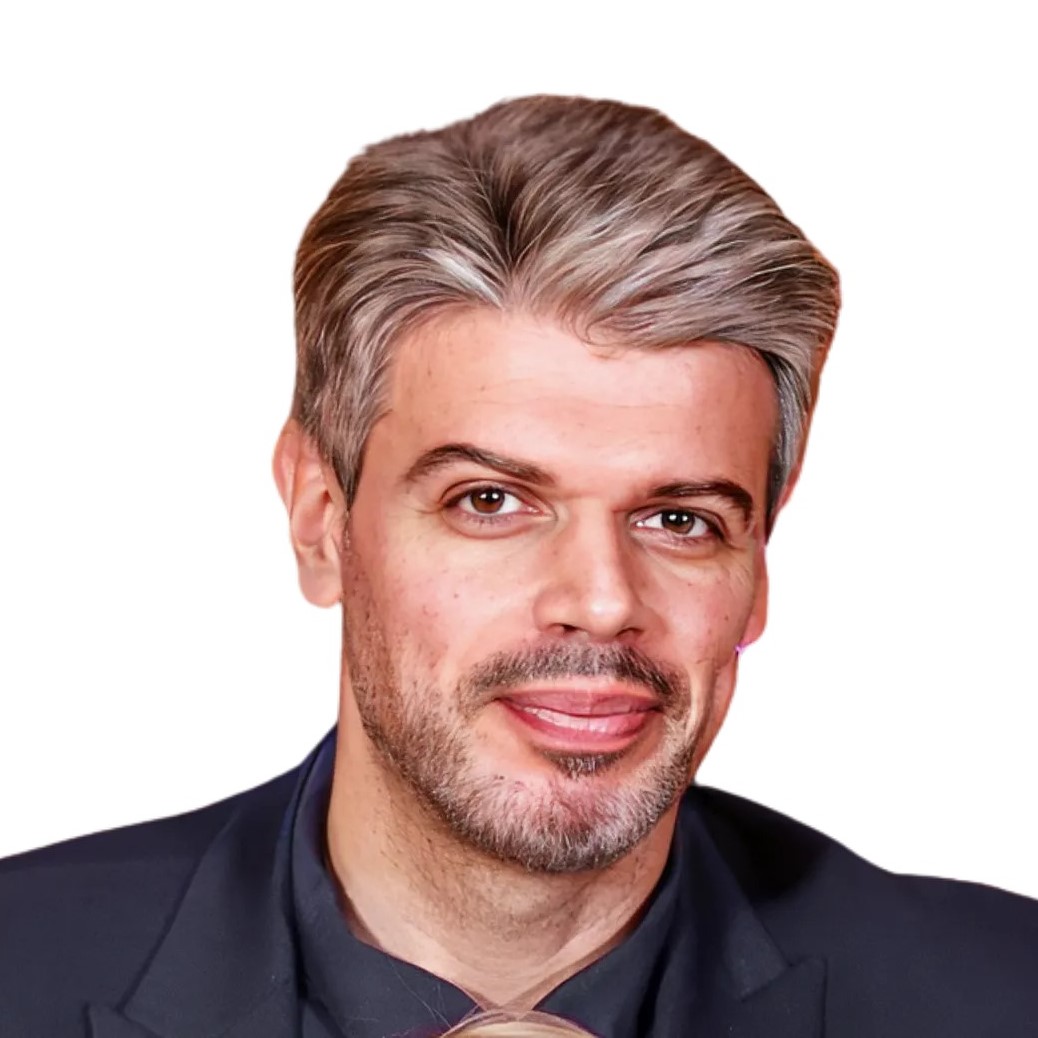
Julio Verissimo es un líder ejecutivo con más de 24 años de experiencia en crecimiento multisectorial, habiendo desarrollado y ejecutado proyectos en más de 47 países. Ha ocupado roles clave en los sectores de telecomunicaciones y banca, contribuyendo al desarrollo de sistemas regulatorios y soluciones tecnológicas. Además, ha participado en diversas cámaras de comercio y ha sido socio en fondos de inversión en sectores como criptomonedas, energía verde e infraestructura sostenible.
Es Presidente y CEO de Borderless Consulting, una firma global de consultoría privada especializada en operaciones transfronterizas. Destaca por su experiencia en desarrollo empresarial, planificación estratégica, operaciones y gestión financiera, con un enfoque en la generación de crecimiento y rentabilidad. Su capacidad para liderar equipos y establecer relaciones estratégicas ha sido clave en su éxito.