

In a world expanded by using noise of statistics, ambition, generation, and intake, the idea of silence is frequently misinterpreted as void, weakness, or irrelevance. Yet, across civilizations and eras, silence has quietly composed the structure of the most profound insights, breakthroughs, and alterations. As humanity stands on the precipice of a new epoch—going through climate urgency, digital saturation, intellectual fitness crises, and polarization—a return to purposeful silence can be one of our most radical gears for innovation, connection, and collective restoration.
This article explores the untapped ability of silence as a social device, a diplomatic technique, a financial enhancer, and a personal practice. It advocates for an international renaissance of stillness—no longer as absence, but as lively presence; not as retreat, but as restorative method.
Redefining Silence: Not Emptiness, but Space
Silence isn’t the absence of sound. It is the presence of meaning earlier than it’smiles spoken. It is the soil from which clarity grows, the prelude to advent. In song, the relaxation is what offers shape to melody. In layout, white space gives beauty. In management, the pause can command more authority than the speech.
To empower people and societies, we need to reposition silence from a passive background to a strategic foreground.
Silence within the Age of Overstimulation
Today’s human being gets more facts in 24 hours than someone in the 15th century encountered in an entire lifetime. Yet, decision-making, creativity, empathy, and resilience are deteriorating. The brain is suffocating in noise—visible, auditory, and emotional.
Strategic silence—moments of stillness, disconnection, and deep mirrored image—allows the mind to prepare, digest, and remodel information into awareness. Silicon Valley executives retreat into virtual detox cabins. Monastic silence practices are being followed by secular wellbeing applications. Leaders are now mastering that readability calls for quiet.
Diplomacy and the Power of the Pause
In international family members, silence is frequently viewed with suspicion: a loss of reaction, a strategic put off, an ambiguous signal. Yet, while used deliberately, silence becomes a shape of high international relations.
A negotiator who pauses profits time, manages, and has insight. A diplomat who listens deeply regularly hears the unspoken tensions that formal language conceals. Silence between international locations, when contextualized wisely, can de-escalate confrontation and invite back-channel reconciliation.
We endorse a new form of “quiet diplomacy”: exclusive communication, mediated reflection, and ceremonial listening as formal additives of peacebuilding.
The Economics of Silence: Stillness as Productivity
In the company internationally, productivity is still measured via the quantity of output, meetings, and communications. But studies from behavioral economics and neuropsychology more and more confirm: silent environments increase cognitive capability.
Teams that contain silent method periods, reflection rooms, or walkingconferences without gadgets document better innovation rates and fewerburnout instances. Japan’s silent education, Finland’s “silent breakfasts” in hotels, and Norway’s “quiet workplaces” are models worth international examination.
What if GDP also stood for Gross Depth of Presence?
Education: Teaching the Art of Listening and Reflection
Current education systems praise pace of response, quantity of participation, and regular expression. What is missing is the cultivation of receptivity, internalization, and intensity of thought.
Incorporating dependent silence into training—meditative moments, silent analyzing hours, mindful transition periods—can rewire attention spans, improve memory, and foster emotional intelligence.
Moreover, in an increasingly more globalized classroom, silence can serve as a cross-cultural equalizer, permitting diverse voices to process and prepare, not simply compete to speak.
Mental Health: Silence as Medicine
Mental fitness demanding situations are growing globally, often exacerbatedthrough overstimulation, social contrast, and digital dependency. Silence isn’t always a luxury; it’s miles a necessity for mental hygiene.
Silent retreats, contemplative practices, woodland bathing, and solitude therapy are not religious traits—they’re neuroscientifically validated tools to restore balance, manage trauma, and rewire stress responses.
Silence permits the man or woman to satisfy themselves again, in truth and without distortion.
Urban Planning: Designing Spaces for Stillness
City planning regularly makes a specialty of velocity, connectivity, and density. But the destiny clever metropolis should additionally be a quiet town. Urban silence zones—rooftop gardens, noise-regulated public squares, silent transportation pods—can enhance public health, reduce aggression, and elevate collective well-being.
From Seoul’s Silent Cafés to Barcelona’s Quiet Hours in parks, urban planners are beginning to realize: noise management is social justice. The negative regularly suffers the maximum noise pollution. Silence, then, is a fairness difficulty.
Cultural Renaissance: Restoring the Aesthetics of Silence
Modern media valorizes volume—speak suggests, breaking information, viral rants. But there may be a growing appetite for content that breathes: sluggish cinema, ambient music, literature with space, and lengthy-form journalism.
Artists, writers, and filmmakers are reclaiming silence as form: the lengthy gaze, the pause in talk, the poetic stillness of a scene. This isn’t regression—it is aesthetics of attention, dignity, and meaning.
We ought to train audiences to understand silence, not just entertain them into numbness.
Governance: Silent Accountability and Reflective Leadership
Public leadership often prizes an air of secrecy, speech-making, and rapid response. But fantastic leadership has continually concerned reflective silence. Mandela’s jail solitude. Gandhi’s days of silence. Lincoln’s hours of solitary walks before warfare decisions.
We recommend institutionalized mirrored image in public workplace: mandatory retreats for lawmakers, contemplative education for judges, reflective listening abilities for executives.
A world led via thinkers, now not shouters.
Technology and Silence: A Contradiction? Or a New Design Challenge?
Technology is both wrongdoer and cure. Apps that ping every minute break presence. Yet, new virtual gear is rising to guard silence—mindfulness apps, ambient sound mills, e-mail-unfastened zones, and AI-based awareness timers.
Designers and developers have to shift from addictive design to regenerative design. Can your telephone remind you to pause, no longer scroll? Can social structures praise listening, not reacting?
Silence isn’t anti-tech. It is human-first tech.
Silence as a Human Right and Global Imperative
Silence isn’t always the privilege of monks or philosophers. It is a generic human property. The right to disconnect. The right to reflect. The proper not to reply immediately. The proper way to concentrate. The right to be.
If we are searching to construct a new technology of aware globalization, if we desire to create cultures that nourish in place of exhaust, then silence has to be woven into our private habits, social contracts, and international visions.
Let us educate our kids that their voices count—however, that their silences can sometimes count number even greater.
Let us remind our institutions that proper intelligence is not in how fast they solve, but however how well they pause.
Let us reshape development no longer best via what we produce, but by how deeply we listen to ourselves, to others, and to the future calling quietly.
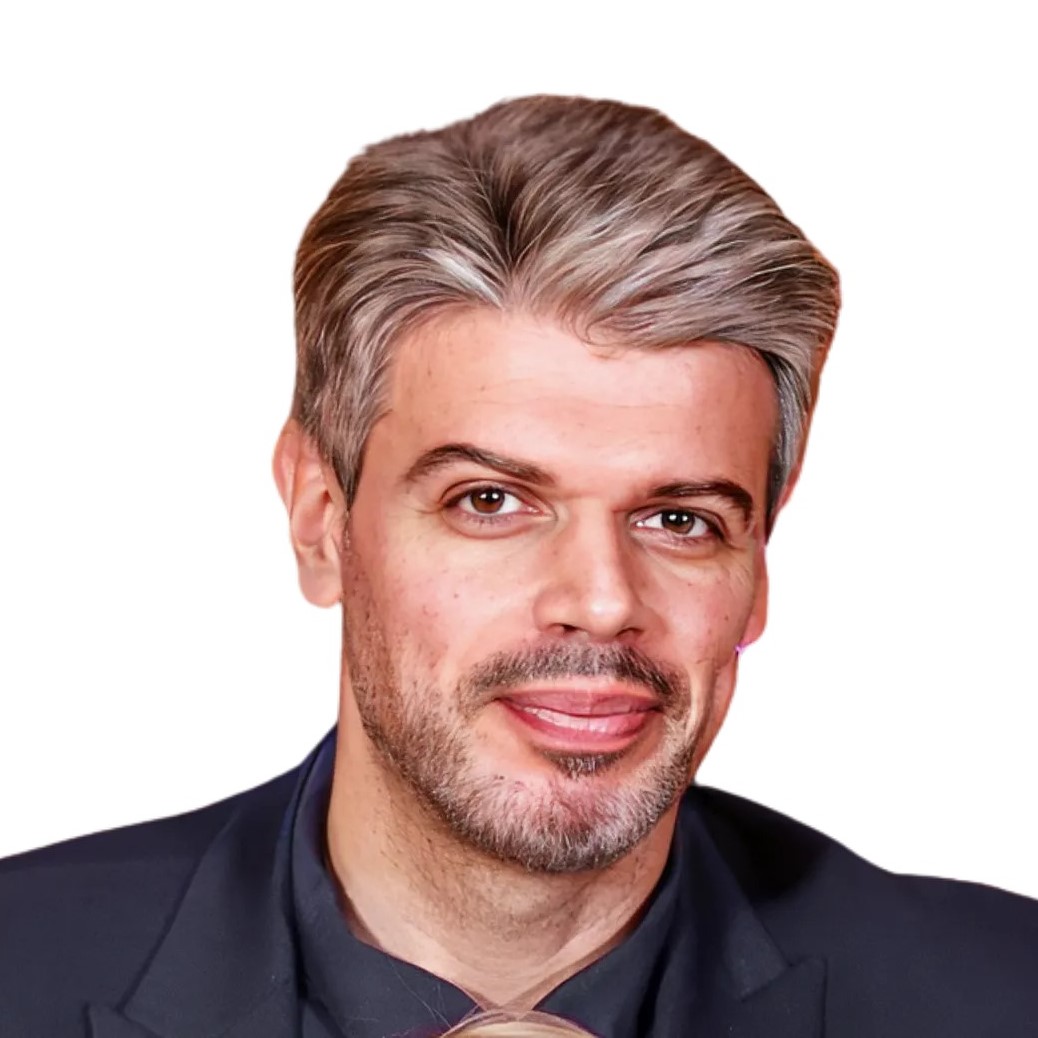
Julio Verissimo es un líder ejecutivo con más de 24 años de experiencia en crecimiento multisectorial, habiendo desarrollado y ejecutado proyectos en más de 47 países. Ha ocupado roles clave en los sectores de telecomunicaciones y banca, contribuyendo al desarrollo de sistemas regulatorios y soluciones tecnológicas. Además, ha participado en diversas cámaras de comercio y ha sido socio en fondos de inversión en sectores como criptomonedas, energía verde e infraestructura sostenible.
Es Presidente y CEO de Borderless Consulting, una firma global de consultoría privada especializada en operaciones transfronterizas. Destaca por su experiencia en desarrollo empresarial, planificación estratégica, operaciones y gestión financiera, con un enfoque en la generación de crecimiento y rentabilidad. Su capacidad para liderar equipos y establecer relaciones estratégicas ha sido clave en su éxito.